Imagine managing your entire customer relationship network right from your smartphone. With a phone based CRM, that’s not just possible—it’s seamless, efficient, and revolutionizing how businesses connect.
What Is a Phone Based CRM?

A phone based CRM is a customer relationship management system designed specifically to operate primarily on smartphones and mobile devices. Unlike traditional CRM platforms that were built for desktop use and later adapted for mobile, phone based CRM solutions are engineered from the ground up for mobility. This means faster access, real-time updates, and optimized user interfaces tailored for touchscreens and on-the-go workflows.



Core Definition and Functionality
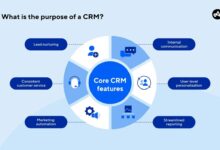
At its heart, a phone based CRM helps businesses manage interactions with current and potential customers. It stores contact details, tracks communication history, logs sales activities, and often integrates with calendars, email, and calling features—all accessible from a mobile device. The key differentiator is that the mobile experience isn’t an afterthought; it’s the primary interface.
- Real-time data synchronization across devices
- Offline access to critical customer information
- Push notifications for follow-ups and tasks
These systems are especially valuable for sales representatives, field service agents, and customer support teams who spend most of their time outside the office. By bringing CRM capabilities directly into the palm of their hands, phone based CRM platforms eliminate delays and improve responsiveness.
Evolution from Desktop to Mobile-First CRM
Traditional CRM systems like Salesforce or HubSpot began as desktop-centric platforms. While they now offer mobile apps, these are often scaled-down versions of their full counterparts. In contrast, phone based CRM emerged as mobile technology advanced and workforce mobility increased. Companies realized that employees needed more than just access—they needed optimized tools.
The shift toward mobile-first design reflects broader trends in work culture. According to a Gartner report, by 2027, 75% of the global workforce will be mobile. This statistic underscores the urgency for businesses to adopt tools that support remote and field-based operations. Phone based CRM systems meet this demand by offering lightweight, intuitive, and highly functional interfaces built for constant movement.
“The future of CRM isn’t on a desk—it’s in your pocket.” – TechCrunch, 2023
Why Phone Based CRM Is Essential for Modern Businesses
In today’s fast-paced business environment, speed and accessibility define competitive advantage. A phone based CRM empowers teams to act immediately, whether they’re closing a deal at a client’s office or resolving a support ticket from a coffee shop. The ability to update records, send follow-up emails, or schedule meetings directly from a smartphone ensures no opportunity slips through the cracks.
Real-Time Customer Engagement
One of the most powerful advantages of a phone based CRM is the capacity for real-time engagement. Sales reps can log calls, update lead statuses, and assign tasks instantly after a conversation. This immediacy reduces data entry lag and ensures that customer interactions are captured accurately while still fresh in memory.
- Instant logging of calls and meetings
- Immediate follow-up with automated email templates
- Live updates visible to entire team
For example, a real estate agent showing homes can update property interest levels and schedule the next viewing—all before leaving the driveway. This responsiveness enhances customer experience and increases conversion rates.
Improved Team Collaboration Across Locations
Remote and hybrid work models have become standard. A phone based CRM acts as a central hub where distributed teams can collaborate effectively. Updates made by one team member are instantly visible to others, reducing miscommunication and duplication of effort.
Consider a field service technician who diagnoses an issue and logs parts needed. That information is immediately available to the warehouse team, enabling faster restocking and scheduling of repairs. This level of coordination was difficult with paper logs or desktop-only systems but is effortless with a mobile-first CRM.
“When your CRM lives on your phone, your team never misses a beat—no matter where they are.” – Forbes, 2022
Top Features of a High-Performance Phone Based CRM
Not all mobile CRM apps are created equal. A true phone based CRM goes beyond basic contact storage. It integrates advanced functionalities that enhance productivity, accuracy, and user satisfaction. Here are the essential features that define a high-performing system.
Offline Mode and Sync Capabilities
Field workers often operate in areas with poor or no internet connectivity. A robust phone based CRM must support offline functionality, allowing users to view contacts, edit records, and log activities without an active connection. Once the device reconnects, all changes are automatically synced to the central database.
- Access to recent customer records offline
- Background sync upon reconnection
- Conflict resolution for duplicate entries
This feature is critical for industries like logistics, construction, and rural healthcare, where internet access is inconsistent. Platforms like Zoho CRM and Pipedrive offer strong offline support, making them ideal for mobile teams.
Integrated Calling and SMS
One of the standout features of a phone based CRM is native integration with calling and messaging. Instead of switching between apps, users can make calls, send SMS, and even record conversations directly within the CRM interface. This integration ensures that every interaction is automatically logged, eliminating manual entry errors.
For instance, a sales rep can tap a contact’s name and initiate a call. Post-call, the system prompts them to log notes or schedule a follow-up. Some advanced platforms even use AI to transcribe calls and extract action items, further streamlining workflows.
GPS Tracking and Geofencing
Location-based features add another layer of efficiency. GPS tracking allows managers to monitor field team movements (with consent), ensuring timely arrivals and optimizing routes. Geofencing takes it further by triggering automated actions when a user enters or exits a designated area.
Imagine a salesperson approaching a client’s office. The CRM automatically displays the client’s profile, recent interactions, and suggested talking points. This context-aware functionality enhances preparedness and professionalism, leading to better outcomes.
Industries That Benefit Most from Phone Based CRM
While any business with mobile employees can gain from a phone based CRM, certain industries see transformative results. These sectors rely heavily on field operations, customer visits, and real-time data access—making mobile CRM not just useful, but essential.
Sales and Field Marketing Teams
Sales professionals are often on the road, meeting clients, attending events, and following up on leads. A phone based CRM enables them to manage their pipeline from anywhere. They can update deal stages, send proposals, and track performance metrics—all from their smartphone.
- Quick access to lead history before meetings
- Instant proposal sharing via mobile email or messaging
- Real-time dashboard updates for managers
Platforms like Salesforce Mobile and Insightly offer tailored solutions for sales teams, combining CRM functionality with mobile productivity tools.
Field Service and Maintenance
Technicians and service providers need immediate access to job details, customer history, and inventory status. A phone based CRM streamlines dispatching, work order management, and customer communication. Technicians can confirm appointments, upload photos of completed work, and collect digital signatures—all from their mobile device.
This reduces paperwork, accelerates billing cycles, and improves customer satisfaction. For example, a HVAC technician can use the CRM to check part availability before arriving, order replacements on-site, and generate an invoice immediately after service completion.
Real Estate and Property Management
Real estate agents juggle multiple listings, client meetings, and open houses. A phone based CRM helps them stay organized by centralizing property details, client preferences, and showing schedules. They can update listing statuses, share virtual tours, and respond to inquiries instantly.
Additionally, automated reminders for lease renewals or maintenance requests help property managers maintain high tenant satisfaction. Mobile CRM integration with platforms like Zillow or Realtor.com further enhances listing visibility and lead generation.
How to Choose the Right Phone Based CRM for Your Business
Selecting the ideal phone based CRM requires careful evaluation of your team’s needs, workflows, and technical environment. Not every solution fits every business, so it’s crucial to assess key criteria before making a decision.
Assessing Team Size and Workflow Complexity
Small teams may benefit from simple, intuitive platforms like HubSpot CRM, which offers free mobile access and easy setup. Larger organizations with complex sales cycles might require more robust systems like Salesforce or Microsoft Dynamics 365, which support advanced automation and customization.
- Small teams: Look for ease of use and quick onboarding
- Mid-sized businesses: Prioritize scalability and integration
- Enterprises: Focus on security, admin controls, and API access
Consider conducting a pilot test with a small group of users to evaluate usability and performance in real-world conditions.
Integration with Existing Tools
A phone based CRM should not exist in isolation. It must integrate seamlessly with your email, calendar, marketing automation, and accounting software. Common integrations include Google Workspace, Microsoft 365, Slack, and QuickBooks.
Check whether the CRM offers native integrations or requires third-party tools like Zapier. Native integrations are generally more stable and offer deeper functionality. For example, syncing calendar events directly to the CRM ensures that all meetings are automatically logged and tracked.
User Experience and Training Requirements
No matter how powerful a CRM is, it won’t succeed if users find it difficult to adopt. A phone based CRM should have an intuitive interface, minimal learning curve, and responsive customer support.
Look for platforms that offer in-app tutorials, video guides, and mobile-friendly documentation. Some vendors provide onboarding specialists to help teams get started. High user adoption leads to better data accuracy and higher ROI from your CRM investment.
Common Challenges and How to Overcome Them
Despite their advantages, phone based CRM systems come with challenges. Addressing these proactively ensures smooth implementation and long-term success.
Data Security and Privacy Concerns
Storing sensitive customer data on mobile devices raises valid security concerns. Lost or stolen phones could expose confidential information. To mitigate risks, choose a CRM that offers strong encryption, remote wipe capabilities, and multi-factor authentication.
- Enable device-level passcodes and biometric locks
- Use CRM platforms with end-to-end encryption
- Implement policies for device usage and data access
Regular security audits and employee training on data handling practices further strengthen protection.
Ensuring Data Accuracy and Consistency
Mobile data entry can lead to inconsistencies if not properly managed. Without standardized fields or validation rules, users might enter incomplete or incorrect information. To maintain data quality:
- Use dropdown menus and required fields
- Implement automated data validation
- Conduct regular data cleanup campaigns
Some CRMs use AI to detect and correct duplicates or missing information, ensuring a clean and reliable database.
Managing User Adoption and Resistance
Change management is often the biggest hurdle. Employees accustomed to spreadsheets or paper logs may resist switching to a digital CRM. To encourage adoption:
- Involve users in the selection process
- Highlight time-saving benefits and personal gains
- Provide ongoing training and support
Recognizing early adopters and sharing success stories can create momentum and foster a culture of digital transformation.
Future Trends in Phone Based CRM Technology
The evolution of phone based CRM is far from over. Emerging technologies are shaping the next generation of mobile CRM, making it smarter, faster, and more intuitive.
AI-Powered Insights and Predictive Analytics
Artificial intelligence is transforming how mobile CRMs function. AI can analyze customer behavior, predict deal closures, and recommend next steps. For example, a sales rep might receive a notification: “Client X is 80% likely to buy—send a discount offer now.”
These insights are delivered directly on the phone, enabling proactive decision-making. Platforms like Salesforce Einstein already offer AI-driven features, and more vendors are following suit.
Voice-Activated CRM Commands
With the rise of virtual assistants like Siri, Google Assistant, and Alexa, voice-activated CRM commands are becoming a reality. Users can say, “Log a call with John,” and the system will create a record automatically. This hands-free functionality is especially useful for drivers or technicians with limited screen access.
Future versions may support natural language queries like, “Show me all overdue follow-ups,” delivering instant results without touching the screen.
Augmented Reality (AR) Integration
AR is beginning to intersect with CRM in innovative ways. A field service technician could use AR glasses linked to the phone based CRM to view equipment schematics overlaid on real-world objects. The CRM provides repair history and part numbers, while AR guides the repair process step-by-step.
This convergence of mobile CRM and AR enhances accuracy, reduces training time, and improves first-time fix rates—especially in complex technical environments.
What is a phone based CRM?
A phone based CRM is a customer relationship management system designed primarily for smartphones and mobile devices, enabling users to manage contacts, track interactions, and perform sales or service tasks directly from their phones.
How does a phone based CRM improve sales productivity?
It allows sales teams to access customer data, log calls, send follow-ups, and update deal stages in real time, reducing delays and improving responsiveness, which leads to faster conversions and higher close rates.
Can a phone based CRM work without internet?
Yes, many phone based CRM platforms offer offline mode, allowing users to view and edit records without connectivity. Changes are automatically synced once the device reconnects to the internet.
Is my customer data secure on a mobile CRM?
Reputable phone based CRM providers use encryption, secure authentication, and compliance with data protection regulations (like GDPR) to safeguard customer information. Additional security measures like remote wipe and biometric login enhance protection.
Which industries benefit most from phone based CRM?
Sales teams, field service providers, real estate agents, and healthcare professionals benefit significantly due to their mobile nature and need for real-time customer data access.
Phone based CRM is no longer a luxury—it’s a necessity for modern, mobile-first businesses. From real-time engagement to AI-driven insights, these platforms empower teams to work smarter, faster, and more efficiently. By choosing the right solution and addressing common challenges, organizations can unlock unprecedented levels of customer satisfaction and operational excellence. As technology evolves, the integration of voice, AI, and AR will only deepen the impact of mobile CRM, making it an indispensable tool for the future of work.
Further Reading: