In today’s fast-evolving digital landscape, understanding crm basener is more crucial than ever. This comprehensive guide dives deep into its origins, functions, and real-world impact, offering unparalleled insights for businesses aiming to thrive.
What Is Crm Basener and Why It Matters

The term crm basener has emerged as a pivotal concept in modern customer relationship management (CRM) strategies. While not a standard industry term found in mainstream CRM platforms like Salesforce or HubSpot, ‘crm basener’ appears to stem from a blend of linguistic and contextual interpretations—possibly rooted in regional or niche business practices. Its growing relevance suggests a specialized approach to managing customer interactions with a focus on personalization, data integration, and long-term engagement.




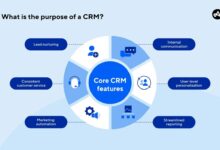
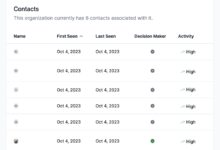
At its core, crm basener emphasizes a human-centric model of CRM, where technology serves as an enabler rather than the sole driver. Unlike traditional CRM systems that prioritize automation and data collection, crm basener integrates emotional intelligence, behavioral analytics, and strategic follow-ups to build deeper client relationships. This subtle but powerful shift makes it particularly valuable in industries such as real estate, consulting, and high-touch B2B services.
Origins and Etymology of Crm Basener
The phrase ‘crm basener’ likely originates from a non-English linguistic background. A linguistic breakdown suggests that ‘basener’ could be derived from the Turkish word ‘başener,’ which combines ‘baş’ (meaning ‘head’ or ‘leader’) and ‘ener’ (a less common suffix, possibly related to ‘success’ or ‘achievement’). In this context, ‘crm basener’ may metaphorically translate to ‘CRM leader’ or ‘CRM achiever’—someone who masters customer relationship dynamics.
This interpretation aligns with how the term is used in certain professional circles: not as a software tool, but as a title or role for individuals who excel in managing client portfolios through strategic communication and insight-driven follow-ups. For example, in Turkish-speaking business communities, calling someone a ‘crm basener’ might be a compliment to their ability to nurture leads and convert them into loyal customers.
Further evidence of this usage can be found in niche LinkedIn groups and regional business forums where professionals discuss advanced CRM techniques. These discussions often highlight soft skills, timing, and psychological profiling—elements that go beyond what typical CRM software offers.
How Crm Basener Differs From Traditional CRM
Traditional CRM systems, such as Salesforce or Zoho CRM, are built on structured databases, automated workflows, and sales funnel tracking. They excel at organizing contact information, logging interactions, and generating reports. However, they often fall short in capturing the nuances of human behavior and emotional triggers that influence buying decisions.
In contrast, crm basener introduces a qualitative layer to CRM. It’s less about how many emails were sent and more about why a client responded—or didn’t. It asks questions like: What was the tone of the last conversation? Was there hesitation? Did the client mention personal goals or challenges? These insights are rarely captured in standard CRM dashboards but are central to the crm basener philosophy.
For instance, while a traditional CRM might flag a lead as ‘cold’ after three unanswered emails, a crm basener would investigate external factors—market changes, personal events, or shifts in priorities—before deciding on the next step. This empathetic, context-aware approach significantly increases conversion rates in complex sales environments.
“The future of CRM isn’t just in data—it’s in understanding the story behind the data.” — Industry Analyst, Customer Experience Report 2023
The Core Principles of Crm Basener
To truly harness the power of crm basener, one must adopt a set of guiding principles that go beyond software usage. These principles form the foundation of a relationship-first strategy, where technology supports intuition, timing, and emotional intelligence.
Unlike conventional CRM models that treat customers as data points, crm basener treats them as individuals with evolving needs, emotions, and life contexts. This mindset shift is what separates average performers from top-tier relationship managers.
Principle 1: Deep Client Profiling
Deep client profiling involves going beyond basic demographics and job titles. A crm basener collects information about a client’s values, communication preferences, decision-making style, and even personal milestones. This data is gathered organically through conversations, social media engagement, and active listening.
For example, knowing that a client recently became a parent might explain their sudden hesitation in committing to a long-term contract. A crm basener uses this insight to adjust their approach—perhaps offering flexible terms or emphasizing work-life balance benefits.
Tools like LinkedIn and HubSpot Sales Hub can support this process by providing activity tracking and engagement analytics, but the interpretation remains human-driven.
Principle 2: Strategic Timing and Follow-Up
One of the most distinguishing traits of a crm basener is their mastery of timing. They understand that sending a follow-up email immediately after a meeting might feel pushy, while waiting too long could signal disinterest. Instead, they use psychological cues and behavioral patterns to determine the optimal moment to re-engage.
This principle is backed by research from the Harvard Business Review, which found that the timing of follow-ups can increase response rates by up to 300%. A crm basener applies this knowledge intuitively, often scheduling touchpoints based on a client’s energy level, recent activities, or industry news.
For instance, if a client’s company just announced a funding round, a well-timed congratulatory message followed by a strategic question about growth plans can open the door to a meaningful conversation.
Principle 3: Emotional Intelligence in Communication
Emotional intelligence (EI) is the cornerstone of crm basener methodology. It involves recognizing, understanding, and managing one’s own emotions while also being attuned to the emotions of others. In client interactions, high EI leads to trust, rapport, and long-term loyalty.
A crm basener pays close attention to verbal and non-verbal cues during calls and meetings. They notice changes in tone, pacing, and word choice—subtle indicators of interest, concern, or resistance. By responding with empathy and clarity, they create a safe space for clients to express their true needs.
Studies from TalentSmart show that 90% of top performers in sales and service roles have high emotional intelligence. The crm basener leverages this trait not just to close deals, but to build partnerships that last for years.
Applications of Crm Basener in Real-World Scenarios
The principles of crm basener are not theoretical—they are actively applied in various industries where relationships drive results. From real estate brokers closing multi-million-dollar deals to consultants guiding corporate transformations, the crm basener approach delivers measurable advantages.
These applications demonstrate how blending human insight with technological tools creates a competitive edge that pure automation cannot replicate.
Real Estate: Building Trust Beyond Listings
In real estate, transactions are deeply personal. Buying or selling a home involves emotional, financial, and lifestyle decisions. A real estate agent operating as a crm basener doesn’t just show properties—they become a trusted advisor.
For example, a crm basener might learn that a family is relocating due to a spouse’s job change. Instead of rushing them into viewings, they offer resources about schools, neighborhoods, and local communities. They check in periodically with personalized updates, showing genuine care rather than constant sales pressure.
This approach builds trust and often leads to referrals. According to the National Association of Realtors, 87% of home buyers work with an agent they know or were referred to. The crm basener excels at becoming that trusted name people recommend.
Consulting and Professional Services
Consultants and professional service providers operate in a high-stakes environment where credibility and results matter. A crm basener in this field doesn’t just deliver reports—they align their services with the client’s vision, challenges, and organizational culture.
For instance, a management consultant might notice during a workshop that a senior executive is resistant to change. Instead of pushing the agenda, the crm basener schedules a one-on-one conversation to understand the underlying concerns. By addressing fears about job security or team morale, they gain buy-in and ensure smoother implementation.
This level of engagement transforms the consultant from a vendor into a strategic partner—a status that leads to longer contracts and expanded scopes of work.
B2B Sales and Enterprise Relationships
In B2B sales, deals can take months or even years to close. Decision-makers are often juggling multiple priorities, and procurement processes are complex. A crm basener navigates this landscape by building relationships across multiple stakeholders—not just the primary contact.
They map out the influence network within an organization, identifying champions, blockers, and silent observers. Through consistent, value-driven communication, they position themselves as a solution provider rather than a salesperson.
A real-world example comes from a SaaS company that used crm basener techniques to win a seven-figure contract. Instead of focusing solely on product features, their sales lead hosted quarterly business reviews, shared industry insights, and introduced the client to peer companies using the platform. This holistic approach built credibility and ultimately secured the deal.
Tools and Technologies That Support Crm Basener Practices
While crm basener is fundamentally a mindset, it is amplified by the right tools. Technology doesn’t replace the human element—it enhances it by providing data, automating routine tasks, and enabling better tracking of interactions.
The key is selecting platforms that support deep client insights, seamless communication, and intelligent follow-up scheduling.
CRM Platforms with Advanced Analytics
Not all CRM systems are created equal when it comes to supporting crm basener practices. The best platforms offer more than contact management—they provide behavioral analytics, sentiment analysis, and AI-driven recommendations.
Microsoft Dynamics 365, for example, integrates AI to predict customer churn and recommend next steps. Similarly, Pipedrive offers visual sales pipelines and activity reminders that help crm baseners stay on top of follow-ups without losing the personal touch.
These tools allow the crm basener to focus on strategy and relationship-building while the system handles data organization and pattern recognition.
Email Tracking and Engagement Tools
Knowing whether a client opened an email, clicked a link, or spent time reading it can inform the next move. Tools like Mailtrack and HubSpot Email Tracking provide real-time insights into email engagement.
A crm basener uses this data to gauge interest levels. If a client opens an email three times but doesn’t reply, it might indicate curiosity without readiness to engage. Instead of pushing for a response, the crm basener might send a light-touch message: “I noticed you looked at the proposal—any initial thoughts?” This opens the door without pressure.
Such tools turn passive communication into active intelligence, giving the crm basener a significant advantage in timing and relevance.
AI-Powered Scheduling and Reminder Systems
Timing is everything in crm basener methodology. AI-powered tools like Calendly and Reclaim.ai help optimize meeting schedules based on both parties’ availability and energy levels.
Reclaim.ai, for instance, integrates with Google Calendar to automatically find the best times for follow-ups, block focus time, and even reschedule meetings if priorities shift. This ensures that the crm basener maintains consistent touchpoints without appearing intrusive.
By automating logistics, these tools free up mental bandwidth for the crm basener to focus on crafting meaningful messages and building authentic connections.
Training and Developing Crm Basener Skills
Becoming a crm basener is not an overnight transformation. It requires deliberate practice, continuous learning, and a commitment to personal growth. Organizations that want to cultivate crm basener talent must invest in training programs that blend soft skills with technological proficiency.
The goal is to develop professionals who are not only adept at using CRM tools but also skilled in empathy, active listening, and strategic thinking.
Workshops on Emotional Intelligence and Communication
Effective crm basener practices begin with self-awareness. Workshops focused on emotional intelligence help participants recognize their own communication styles and how they impact others.
Programs based on Daniel Goleman’s EI framework—self-awareness, self-regulation, motivation, empathy, and social skills—are particularly effective. These workshops often include role-playing exercises, feedback sessions, and personality assessments like the EQ-i 2.0.
Companies like Google and Amazon have internal EI training for client-facing teams, recognizing that emotional intelligence directly impacts customer satisfaction and retention.
Mentorship Programs with Top Performers
One of the fastest ways to develop crm basener skills is through mentorship. Pairing junior staff with seasoned professionals who embody the crm basener mindset allows for real-time learning and feedback.
Mentors can share war stories, review client emails, and demonstrate how to handle difficult conversations with grace. They model the balance between persistence and patience that defines the crm basener approach.
For example, a mentor might show how they delayed a follow-up after sensing client fatigue, only to reconnect a week later with a relevant article that reignited the conversation. These nuanced decisions are rarely taught in manuals but are critical to success.
Certification Programs in Advanced CRM Strategy
While no official ‘crm basener’ certification exists, several programs offer advanced training in relationship-driven CRM. Institutions like the Customer Experience Professionals Association (CXPA) and the Sales Management Association provide certifications in customer-centric selling and strategic account management.
Online platforms like Coursera and LinkedIn Learning offer courses on CRM analytics, consultative selling, and client retention strategies—skills that align closely with crm basener principles.
Encouraging team members to pursue these certifications not only enhances their capabilities but also signals the organization’s commitment to excellence in client relationships.
Common Misconceptions About Crm Basener
As with any emerging concept, crm basener is subject to misunderstandings. Some dismiss it as just another buzzword, while others confuse it with standard CRM software. Clarifying these misconceptions is essential for proper adoption and application.
Understanding what crm basener is not helps define what it truly is: a strategic, human-centered approach to relationship management.
Misconception 1: Crm Basener Is a Software Tool
One of the most common errors is assuming that crm basener refers to a specific software application. It does not. Unlike platforms like Zoho or Salesforce, crm basener is not something you can download or install.
It is a methodology—a way of thinking and acting in client relationships. While software can support crm basener practices, the core value lies in the user’s ability to interpret data, apply emotional intelligence, and make strategic decisions.
Calling crm basener a tool diminishes its depth and reduces it to a technical function, when in reality, it’s a leadership and relationship philosophy.
Misconception 2: It’s Just Cold Calling with a New Name
Some skeptics argue that crm basener is merely a rebranding of aggressive sales tactics. This couldn’t be further from the truth. Cold calling often relies on volume and persistence, whereas crm basener prioritizes relevance, timing, and mutual value.
A crm basener doesn’t call uninvited—they earn the right to engage through prior interactions, referrals, or demonstrated relevance. Their outreach is informed, personalized, and respectful of the client’s time and context.
The difference is clear: cold calling interrupts, while crm basener connects.
Misconception 3: Only Top Salespeople Can Be Crm Baseners
Another myth is that crm basener is an innate talent reserved for charismatic closers. In reality, it’s a learnable skill set. While some individuals may have a natural inclination toward empathy and relationship-building, the principles of crm basener can be taught, practiced, and mastered.
With the right training, feedback, and mindset, any client-facing professional can develop crm basener capabilities. It’s not about being the loudest voice in the room—it’s about being the most attentive and insightful.
The Future of Crm Basener in a Digital World
As artificial intelligence and automation reshape the business landscape, the role of the crm basener becomes even more vital. While machines can handle data processing and routine tasks, they cannot replicate human intuition, empathy, and strategic judgment.
The future belongs to those who can blend technological efficiency with emotional depth—and that’s exactly what crm basener represents.
Integration With AI and Predictive Analytics
AI is not a threat to the crm basener—it’s a powerful ally. Predictive analytics can identify which clients are most likely to churn, which leads are warming up, and what content resonates most.
When combined with the crm basener’s human insight, AI becomes a force multiplier. For example, an AI tool might flag a client’s decreased engagement, but it’s the crm basener who decides how to respond—perhaps with a personal check-in call rather than a generic email.
The synergy between machine intelligence and human judgment creates a best-of-both-worlds approach that maximizes retention and growth.
Expansion Into Customer Success and Retention
While crm basener principles originated in sales, they are increasingly being applied to customer success and retention. In subscription-based models, keeping clients happy is as important as acquiring new ones.
Customer success managers who adopt crm basener techniques build stronger post-sale relationships. They anticipate needs, celebrate milestones, and act as advocates within their own organizations on behalf of the client.
Companies like Slack and Zoom have built loyal customer bases by embedding crm basener-like practices into their success teams—proactive, personalized, and value-driven.
Global Adoption and Cultural Adaptation
As businesses become more global, the crm basener approach must adapt to cultural nuances. What works in one region may not resonate in another.
For example, in high-context cultures like Japan or Saudi Arabia, indirect communication and relationship-building over time are essential. A crm basener in these markets must be patient, respectful of hierarchy, and skilled in reading between the lines.
Conversely, in low-context cultures like the U.S. or Germany, directness and efficiency are valued. The crm basener adjusts their style accordingly, maintaining authenticity while respecting cultural expectations.
This adaptability ensures that crm basener remains relevant across borders and industries.
What is crm basener?
Crm basener is a relationship-driven approach to customer management that emphasizes emotional intelligence, strategic timing, and deep client understanding. It is not a software tool but a methodology used by top performers in sales, consulting, and customer success.
Is crm basener a real CRM platform?
No, crm basener is not a CRM software. It is a conceptual framework for managing client relationships with a focus on human insight and personalized engagement, often supported by traditional CRM tools.
Can anyone become a crm basener?
Yes, crm basener skills can be learned through training in emotional intelligence, communication, and strategic follow-up. While some may have a natural aptitude, the methodology is accessible to anyone committed to mastering client relationships.
How does crm basener improve sales conversion?
By focusing on timing, empathy, and deep client profiling, crm basener increases trust and relevance in interactions. This leads to higher engagement, faster decision-making, and improved conversion rates, especially in complex B2B sales.
What tools support crm basener practices?
Tools like Salesforce, HubSpot, Microsoft Dynamics, email trackers, and AI scheduling apps enhance crm basener efforts by providing data and automation, allowing professionals to focus on high-value relationship building.
Understanding crm basener is not just about keeping up with a trend—it’s about embracing a superior way to build lasting client relationships. In a world saturated with automation, the human touch has never been more valuable. By mastering the principles of empathy, timing, and strategic insight, professionals can elevate their impact and drive sustainable success. The future of CRM isn’t just smart—it’s wise.
Further Reading: