In today’s fast-paced digital world, a cloud based saas crm solution is no longer a luxury—it’s a necessity. Discover how this powerful tool transforms customer relationships, boosts sales, and scales with your business effortlessly.
What Is a Cloud Based SaaS CRM Solution?

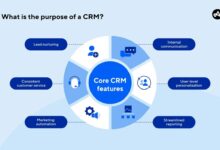
A cloud based saas crm solution is a customer relationship management system hosted on remote servers and delivered via the internet as a subscription service. Unlike traditional on-premise CRM software, which requires physical installation and maintenance, SaaS CRM operates entirely in the cloud, enabling businesses to access their customer data anytime, anywhere, on any device with an internet connection.



Definition and Core Concept
The term ‘SaaS’ stands for Software as a Service, a model where software is licensed on a subscription basis and centrally hosted. When combined with CRM (Customer Relationship Management), it creates a dynamic ecosystem for managing interactions with current and potential customers. A cloud based saas crm solution eliminates the need for expensive hardware, reduces IT overhead, and ensures automatic updates and patches.
- Operates on a pay-as-you-go subscription model
- Hosted on secure, scalable cloud infrastructure
- Accessible from web browsers or mobile apps
This model allows businesses—especially SMEs—to leverage enterprise-grade tools without the capital expenditure traditionally associated with CRM deployment.
How It Differs from On-Premise CRM
Traditional CRM systems require businesses to purchase licenses, install software on local servers, and maintain in-house IT teams for updates and troubleshooting. In contrast, a cloud based saas crm solution shifts the burden of maintenance to the provider. This not only reduces costs but also accelerates deployment time—from weeks or months to just days.
“The shift from on-premise to cloud CRM is like moving from owning a power plant to simply plugging into the grid—efficient, scalable, and cost-effective.” — Gartner Research
Additionally, cloud-based systems offer real-time data synchronization across teams, ensuring that sales, marketing, and support departments are always working with the most up-to-date information.
Top 7 Benefits of a Cloud Based SaaS CRM Solution
Adopting a cloud based saas crm solution brings transformative advantages that directly impact operational efficiency, customer satisfaction, and revenue growth. Let’s explore the seven most powerful benefits that make this technology indispensable in modern business.
1. Cost Efficiency and Predictable Pricing
One of the most compelling reasons businesses adopt a cloud based saas crm solution is cost savings. Traditional CRM systems often involve high upfront costs for software licenses, hardware, and implementation services. With SaaS CRM, these expenses are replaced by a predictable monthly or annual subscription fee.
- No need for dedicated servers or data centers
- Eliminates costs for in-house IT staff dedicated to CRM maintenance
- Scalable pricing models based on user count or features
According to a Forrester study, companies using Salesforce’s cloud CRM reported a 163% ROI over three years, largely due to reduced IT costs and faster time-to-value.
2. Rapid Deployment and Easy Implementation
Time is money, especially when launching new sales or marketing initiatives. A cloud based saas crm solution can be up and running in a matter of hours or days, compared to the weeks or months required for on-premise installations.
Most providers offer intuitive setup wizards, pre-built templates, and guided onboarding processes. For example, Zoho CRM allows users to import contacts, configure workflows, and start engaging customers within a single business day.
“Speed of deployment is a game-changer. Businesses can respond to market changes faster and gain a competitive edge.” — TechCrunch
3. Scalability to Match Business Growth
As your business grows, so do your customer data and team size. A cloud based saas crm solution scales seamlessly with your needs. Whether you’re adding five new sales reps or expanding into international markets, the system adjusts automatically.
- Add or remove users with a few clicks
- Upgrade features or storage capacity on demand
- Support for multi-language and multi-currency environments
This elasticity ensures that your CRM grows with you—without requiring a complete system overhaul.
4. Accessibility and Remote Work Enablement
In an era where remote and hybrid work models dominate, having a cloud based saas crm solution is essential. Sales teams can access customer records from home, on the road, or in client meetings using laptops, tablets, or smartphones.
Real-time access means no more delays in updating deal stages or logging calls. Managers can monitor performance dashboards live, and support agents can resolve issues faster by viewing complete customer histories.
During the 2020 pandemic, companies with cloud CRM systems adapted more quickly to remote operations than those relying on legacy systems.
5. Automatic Updates and Innovation
With traditional CRM software, updates often require downtime, manual installations, and compatibility checks. In contrast, a cloud based saas crm solution receives automatic updates from the provider—usually during off-peak hours—ensuring users always have access to the latest features.
These updates often include AI-driven insights, enhanced security protocols, and new integrations. For instance, Salesforce rolls out three major platform updates per year, packed with innovations like Einstein AI for predictive lead scoring.
- No downtime for patching or upgrades
- Continuous improvement without additional cost
- Access to cutting-edge technologies like AI and machine learning
6. Enhanced Data Security and Compliance
Contrary to common misconceptions, cloud based saas crm solution platforms often provide superior security compared to on-premise systems. Leading providers invest heavily in encryption, multi-factor authentication, intrusion detection, and regular security audits.
They comply with global standards such as GDPR, HIPAA, SOC 2, and ISO 27001. Data is backed up across multiple geographically dispersed data centers, minimizing the risk of data loss due to hardware failure or natural disasters.
“Cloud providers have more resources to dedicate to security than most internal IT departments.” — McKinsey & Company
Moreover, role-based access controls ensure that employees only see the data necessary for their job functions, reducing the risk of internal breaches.
7. Seamless Integration with Other Business Tools
A cloud based saas crm solution doesn’t operate in isolation. It integrates effortlessly with email platforms (like Gmail and Outlook), marketing automation tools (such as HubSpot and Mailchimp), e-commerce systems (Shopify, Magento), and productivity suites (Google Workspace, Microsoft 365).
These integrations create a unified ecosystem where data flows automatically between systems. For example, when a customer fills out a web form, their information is instantly added to the CRM, triggering a follow-up email and assigning a sales rep—all without manual intervention.
Platforms like Zapier and Workato further extend integration capabilities, allowing non-technical users to build custom workflows.
Key Features to Look for in a Cloud Based SaaS CRM Solution
Not all cloud based saas crm solution platforms are created equal. To maximize ROI, it’s crucial to evaluate the core features that align with your business goals. Here are the essential functionalities you should prioritize.
Contact and Lead Management
At the heart of any CRM is the ability to store, organize, and track customer information. A robust cloud based saas crm solution provides a centralized database for contacts, accounts, leads, and opportunities.
- Duplicate detection and merge tools
- Custom fields and segmentation options
- Lead scoring and grading based on engagement
Advanced systems use behavioral tracking to identify hot leads—for example, someone who’s opened multiple emails, visited pricing pages, and downloaded a whitepaper.
Sales Automation and Pipeline Tracking
Sales teams waste valuable time on repetitive tasks like data entry, follow-up reminders, and status updates. A powerful cloud based saas crm solution automates these processes, allowing reps to focus on closing deals.
- Automated task assignment and reminders
- Visual sales pipelines with drag-and-drop functionality
- Forecasting tools based on historical data
Automation rules can trigger actions such as sending a follow-up email after a call, scheduling a demo, or escalating a high-value lead to a manager.
Marketing Campaign Management
Modern cloud based saas crm solution platforms go beyond sales—they empower marketing teams to design, execute, and measure campaigns directly within the system.
Features include email campaign builders, landing page creators, social media scheduling, and A/B testing tools. Campaign performance is tracked in real time, showing metrics like open rates, click-through rates, and conversion rates.
“Integrated marketing and CRM functions reduce silos and improve campaign ROI by 30% or more.” — HubSpot State of Inbound Report
How a Cloud Based SaaS CRM Solution Improves Customer Experience
Customer experience (CX) is a key differentiator in today’s competitive landscape. A cloud based saas crm solution plays a pivotal role in delivering personalized, consistent, and timely interactions across all touchpoints.
360-Degree Customer View
One of the greatest strengths of a cloud based saas crm solution is its ability to consolidate customer data from multiple channels—email, phone, social media, live chat, and in-person meetings—into a single, unified profile.
This 360-degree view enables support agents to understand the full context of a customer’s journey. For example, if a customer calls with a complaint, the agent can instantly see previous purchases, support tickets, and recent marketing interactions—eliminating the need to ask repetitive questions.
- Complete interaction history at a glance
- Customer preferences and purchase behavior tracking
- Notes and attachments from all team members
Personalization at Scale
Personalization isn’t just about using a customer’s name in an email. A cloud based saas crm solution enables hyper-personalized experiences by leveraging data analytics and AI.
For instance, the system can recommend products based on past purchases, send birthday discounts, or alert sales reps when a customer’s contract is nearing renewal. These micro-moments of relevance build loyalty and increase lifetime value.
According to a McKinsey report, companies that excel at personalization generate 40% more revenue from those activities than average players.
Faster Response Times and Proactive Support
In the age of instant gratification, customers expect quick responses. A cloud based saas crm solution reduces response times through automation and intelligent routing.
- Tickets are automatically assigned to the right agent based on skill or workload
- Chatbots handle common queries 24/7
- Escalation rules ensure urgent issues are prioritized
Some platforms even use predictive analytics to identify customers at risk of churn and trigger proactive outreach—such as a special offer or a check-in call—before they disengage.
Top Cloud Based SaaS CRM Solutions in 2024
The market for cloud based saas crm solution platforms is crowded, but a few stand out due to their functionality, ease of use, and ecosystem strength. Here’s a breakdown of the top contenders.
Salesforce Sales Cloud
Salesforce remains the global leader in cloud CRM, powering over 150,000 companies worldwide. Its Sales Cloud offers a comprehensive suite of tools for sales force automation, lead management, and analytics.
- AI-powered insights with Einstein Analytics
- Extensive AppExchange marketplace with thousands of integrations
- Highly customizable with drag-and-drop workflow builder
Ideal for large enterprises and fast-growing businesses, Salesforce offers unmatched scalability and innovation. Learn more at salesforce.com.
HubSpot CRM
HubSpot CRM is a favorite among small to mid-sized businesses for its user-friendly interface and free tier. It combines CRM functionality with marketing, sales, and service hubs in one integrated platform.
- Free forever plan with core CRM features
- Intuitive dashboard and mobile app
- Seamless integration with HubSpot’s marketing tools
HubSpot’s strength lies in its inbound methodology, helping businesses attract, engage, and delight customers. Visit hubspot.com to explore.
Microsoft Dynamics 365
For organizations already using Microsoft products, Dynamics 365 offers a tightly integrated cloud based saas crm solution that works seamlessly with Office 365, Teams, and Power BI.
- Deep integration with Outlook and Excel
- AI-driven sales insights and relationship analytics
- Flexible deployment options (cloud, hybrid)
Dynamics 365 is particularly strong in industries like manufacturing, retail, and professional services. More info at dynamics.microsoft.com.
Challenges and Considerations When Adopting a Cloud Based SaaS CRM Solution
While the benefits are substantial, implementing a cloud based saas crm solution comes with challenges that require careful planning and execution.
Data Migration and Integration Complexity
Transferring data from legacy systems or spreadsheets into a new CRM can be complex. Incomplete or inaccurate data migration leads to duplicates, missing records, and user frustration.
To mitigate this, businesses should:
- Conduct a thorough data audit before migration
- Cleanse and standardize data (e.g., formatting phone numbers, removing duplicates)
- Use migration tools provided by the CRM vendor or third-party services like Import.io
Testing the migrated data with a small user group before full rollout is a best practice.
User Adoption and Training
Even the most advanced cloud based saas crm solution fails if employees don’t use it. Resistance to change, lack of training, and poor user experience are common adoption barriers.
Strategies to improve adoption include:
- Involve end-users in the selection process
- Provide hands-on training and ongoing support
- Highlight quick wins, such as automated reporting or mobile access
“User adoption is the #1 predictor of CRM success.” — Nucleus Research
Vendor Lock-In and Long-Term Costs
While SaaS CRM starts affordably, long-term costs can escalate with add-ons, premium features, and user count increases. Additionally, switching providers later can be difficult due to data portability issues.
To avoid vendor lock-in:
- Negotiate contracts with clear exit clauses
- Ensure data can be exported in standard formats (CSV, JSON)
- Evaluate total cost of ownership (TCO) over 3–5 years
Regularly review your CRM’s performance and compare it with emerging alternatives.
Future Trends Shaping Cloud Based SaaS CRM Solutions
The evolution of CRM technology shows no signs of slowing down. Emerging trends are making cloud based saas crm solution platforms smarter, more intuitive, and more integral to business strategy.
Artificial Intelligence and Predictive Analytics
AI is no longer a futuristic concept—it’s embedded in modern CRM systems. From chatbots to predictive lead scoring, AI enhances decision-making and automates routine tasks.
- Einstein AI (Salesforce) predicts deal closure probability
- HubSpot’s AI content assistant drafts emails and blog posts
- Microsoft’s Relationship Assistant surfaces key contacts and follow-ups
These tools free up human workers for higher-value activities while improving accuracy and speed.
Mobile-First and Voice-Enabled Interfaces
As mobile usage grows, CRM platforms are prioritizing mobile experiences. Voice-enabled CRM, where sales reps can log calls or create tasks using voice commands, is gaining traction.
For example, Salesforce’s Einstein Voice allows users to ask, “What’s my sales forecast for Q3?” and get a spoken response. This is especially useful for field sales teams who can’t type while driving.
Hyper-Personalization and Customer Journey Orchestration
The future of CRM lies in orchestrating personalized customer journeys across channels. A cloud based saas crm solution will not only track interactions but also predict the next best action for each customer.
Imagine a system that automatically sends a personalized video message when a customer reaches a milestone, or schedules a check-in call when usage drops. These proactive, context-aware interactions will define the next generation of customer experience.
What is a cloud based saas crm solution?
A cloud based saas crm solution is a web-hosted customer relationship management system delivered via subscription. It allows businesses to manage customer data, sales pipelines, marketing campaigns, and support tickets in a centralized, scalable, and secure environment accessible from anywhere.
How does a cloud based saas crm solution save money?
It eliminates upfront hardware and software costs, reduces IT maintenance expenses, and operates on a flexible subscription model. Businesses only pay for what they use, and automatic updates mean no additional costs for upgrades.
Is my data safe in a cloud based saas crm solution?
Yes. Reputable providers use advanced encryption, regular security audits, and compliance with international standards (like GDPR and SOC 2) to protect your data. In many cases, cloud CRM is more secure than on-premise systems.
Can I integrate a cloud based saas crm solution with other tools?
Absolutely. Most platforms offer native integrations with email, marketing automation, e-commerce, and productivity tools. Third-party services like Zapier and Workato enable even more connections.
Which cloud based saas crm solution is best for small businesses?
HubSpot CRM is highly recommended for small businesses due to its free plan, ease of use, and integrated marketing features. Zoho CRM and Insightly are also excellent affordable options.
Adopting a cloud based saas crm solution is one of the most strategic moves a business can make in the digital age. From slashing costs and accelerating deployment to enhancing customer experience and enabling data-driven decisions, the benefits are profound and far-reaching. As technology evolves, these platforms will become even more intelligent, intuitive, and indispensable. The key is to choose the right solution, plan the implementation carefully, and foster user adoption. With the right approach, a cloud based saas crm solution doesn’t just manage relationships—it transforms them into lasting competitive advantages.
Further Reading:
