In today’s fast-paced digital world, a cloud based CRM app isn’t just a luxury—it’s a necessity. Discover how these powerful tools are transforming customer relationships, boosting sales, and streamlining operations across industries.
What Is a Cloud Based CRM App?

A cloud based CRM app is a customer relationship management solution hosted on remote servers and accessible via the internet. Unlike traditional on-premise CRM systems, these apps eliminate the need for local installations, offering businesses scalable, flexible, and cost-effective ways to manage customer interactions.



How Cloud CRM Differs from On-Premise CRM
The fundamental difference lies in deployment. On-premise CRM systems require businesses to install software on local servers, manage hardware, and handle updates manually. In contrast, a cloud based CRM app is hosted and maintained by the provider, allowing users to access the system from any device with an internet connection.
- Lower upfront costs: No need to purchase servers or infrastructure.
- Faster deployment: Setup can be completed in days, not months.
- Automatic updates: Vendors push updates seamlessly, ensuring users always have the latest features.
“The shift to cloud CRM is not just technological—it’s cultural. It empowers teams to work smarter, faster, and more collaboratively.” — Gartner Research
Core Components of a Cloud Based CRM App
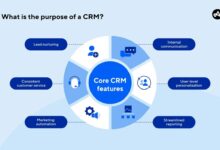
A robust cloud based CRM app typically includes several integrated modules designed to streamline customer-facing operations. These include contact management, sales automation, marketing automation, customer service tools, and analytics.
- Contact Management: Centralizes customer data, including names, emails, call logs, and purchase history.
- Sales Automation: Automates repetitive tasks like lead assignment, follow-up reminders, and quote generation.
- Analytics & Reporting: Provides real-time dashboards and insights into sales performance, customer behavior, and campaign effectiveness.
These components work together to create a unified view of the customer, enabling personalized engagement and improved decision-making.
Top 7 Benefits of Using a Cloud Based CRM App
Adopting a cloud based CRM app offers transformative advantages for businesses of all sizes. From improving team collaboration to enhancing customer satisfaction, the benefits are both strategic and operational.
1. Scalability and Flexibility
One of the most compelling advantages of a cloud based CRM app is its ability to scale with your business. Whether you’re a startup with five employees or a multinational with thousands, cloud CRM systems can adjust to your needs.
- Add or remove users with ease.
- Upgrade features and storage as your business grows.
- Support multiple locations and remote teams seamlessly.
This flexibility ensures that your CRM investment remains future-proof and aligned with evolving business goals.
2. Cost Efficiency and Predictable Pricing
Traditional CRM systems often come with high upfront costs for software licenses, hardware, and IT staffing. A cloud based CRM app operates on a subscription model, turning large capital expenditures into manageable operational expenses.
- No need for dedicated servers or IT maintenance teams.
- Pay only for what you use—most vendors offer tiered pricing.
- Reduced downtime and lower risk of data loss.
According to a Forbes Tech Council report, businesses using cloud CRM save up to 30% on total ownership costs over five years compared to on-premise solutions.
3. Remote Accessibility and Mobile Integration
In an era where remote work is the norm, a cloud based CRM app ensures that your team can access critical customer data from anywhere, at any time. Whether employees are working from home, traveling, or meeting clients on-site, they can stay connected and productive.
- Mobile apps for iOS and Android provide full CRM functionality on smartphones and tablets.
- Real-time synchronization ensures data consistency across devices.
- Offline access features allow users to work without internet and sync changes later.
This level of accessibility enhances responsiveness and enables faster decision-making in dynamic business environments.
Key Features to Look for in a Cloud Based CRM App
Not all cloud based CRM apps are created equal. To maximize ROI, it’s essential to evaluate platforms based on their feature set, ease of use, and integration capabilities.
Customization and Workflow Automation
A powerful cloud based CRM app should allow you to tailor the system to your business processes. Custom fields, pipelines, and automation rules help align the CRM with your unique sales and service workflows.
- Create custom sales stages based on your sales cycle.
- Automate lead routing based on geography, product interest, or lead score.
- Set up triggers for follow-up emails, task assignments, or notifications.
For example, Zoho CRM offers a visual workflow builder that lets non-technical users design complex automation sequences without coding.
Integration with Third-Party Tools
Your CRM doesn’t operate in isolation. A top-tier cloud based CRM app should integrate seamlessly with email, calendar, marketing platforms, e-commerce systems, and productivity tools.
- Synchronize with Gmail, Outlook, or Microsoft 365 for unified communication.
- Connect with Mailchimp, HubSpot, or ActiveCampaign for marketing automation.
- Integrate with Shopify, WooCommerce, or Salesforce for e-commerce data sync.
These integrations eliminate data silos and ensure that customer information flows smoothly across departments.
AI-Powered Insights and Predictive Analytics
Modern cloud based CRM apps are increasingly leveraging artificial intelligence to deliver smarter insights. AI can analyze historical data to predict customer behavior, recommend next-best actions, and identify high-value leads.
- Lead scoring algorithms prioritize prospects most likely to convert.
- Chatbots handle routine inquiries and escalate complex issues to human agents.
- Predictive forecasting helps sales managers set realistic targets.
As highlighted by Salesforce, AI-driven CRM tools can increase sales productivity by up to 34%.
Top Cloud Based CRM Apps in 2024
The market for cloud based CRM apps is crowded, but several platforms stand out due to their functionality, user experience, and innovation.
Salesforce Sales Cloud
Salesforce remains the industry leader in cloud CRM. Its Sales Cloud offers a comprehensive suite of tools for sales force automation, lead management, and customer analytics.
- Highly customizable with a vast app ecosystem via AppExchange.
- Strong AI capabilities through Einstein Analytics.
- Global data centers ensure high availability and compliance.
Suitable for mid-sized to large enterprises, Salesforce offers unmatched scalability and depth of features.
HubSpot CRM
HubSpot CRM is a favorite among small to mid-sized businesses due to its intuitive interface and generous free tier.
- Free plan includes contact management, email tracking, and deal pipelines.
- Seamless integration with HubSpot’s marketing, sales, and service hubs.
- Excellent onboarding experience with tutorials and templates.
While not as customizable as Salesforce, HubSpot excels in ease of use and inbound marketing alignment.
Microsoft Dynamics 365
For organizations already invested in the Microsoft ecosystem, Dynamics 365 offers a powerful cloud based CRM app tightly integrated with Office 365, Teams, and Power BI.
- Deep integration with Outlook and Excel simplifies data entry and reporting.
- AI-driven insights for sales and customer service.
- Flexible deployment options, including hybrid models.
Dynamics 365 is ideal for enterprises seeking a unified platform for ERP and CRM functions.
How to Choose the Right Cloud Based CRM App for Your Business
Selecting the right cloud based CRM app requires careful evaluation of your business needs, team size, budget, and long-term goals.
Assess Your Business Requirements
Start by identifying your core challenges. Are you struggling with lead tracking? Do your sales reps spend too much time on administrative tasks? Is customer service response time slow?
- Map out your customer journey from lead to post-sale support.
- Identify pain points where automation or better data visibility could help.
- Define key performance indicators (KPIs) you want to improve.
This assessment will guide your feature prioritization and prevent overbuying.
Evaluate User Adoption and Training Needs
Even the most powerful cloud based CRM app will fail if your team doesn’t use it. Consider the learning curve and available training resources.
- Look for platforms with intuitive interfaces and mobile accessibility.
- Check if the vendor offers onboarding support, webinars, or certification programs.
- Involve end-users in the selection process to gather feedback.
According to CIO.com, poor user adoption is the number one reason CRM projects fail.
Consider Security and Compliance
Customer data is one of your most valuable assets. Ensure your chosen cloud based CRM app meets industry standards for data protection.
- Look for SOC 2, ISO 27001, or GDPR compliance.
- Verify encryption standards for data at rest and in transit.
- Check backup and disaster recovery protocols.
Ask vendors for their security whitepapers and audit reports before making a decision.
Implementation Best Practices for Cloud Based CRM Apps
Successful CRM implementation goes beyond software selection. It requires planning, change management, and continuous optimization.
Start with a Pilot Program
Instead of rolling out the CRM to your entire organization at once, start with a small team or department. This pilot phase allows you to test functionality, gather feedback, and refine processes.
- Select a cross-functional team with diverse roles (sales, marketing, support).
- Set clear objectives and timelines for the pilot.
- Measure success using predefined KPIs like data accuracy, user engagement, and task completion rates.
Use insights from the pilot to adjust configurations before full-scale deployment.
Data Migration and Cleansing
Migrating existing customer data into a new cloud based CRM app is a critical step. Poor data quality can undermine system effectiveness from day one.
- Standardize data formats (e.g., phone numbers, addresses) before import.
- Remove duplicates and outdated records.
- Validate email addresses and phone numbers using third-party tools.
Most CRM vendors offer data migration services or partner with specialists to ensure a smooth transition.
Continuous Training and Support
User adoption doesn’t end with onboarding. Ongoing training ensures that teams stay proficient as new features are added.
- Schedule regular training sessions and refreshers.
- Create internal knowledge bases or video tutorials.
- Appoint CRM champions within each department to provide peer support.
Encourage feedback and iterate on usage policies to keep the system aligned with evolving needs.
Future Trends Shaping Cloud Based CRM Apps
The evolution of cloud based CRM apps is accelerating, driven by advancements in AI, mobile technology, and customer expectations.
Hyper-Personalization Through AI
Future CRM systems will move beyond basic segmentation to deliver hyper-personalized experiences. AI will analyze customer behavior, sentiment, and preferences in real time to recommend tailored content, offers, and communication channels.
- Dynamic content generation for emails and landing pages.
- Real-time sentiment analysis during customer calls.
- Personalized product recommendations based on browsing and purchase history.
This level of personalization will deepen customer loyalty and increase conversion rates.
Integration with IoT and Wearables
As the Internet of Things (IoT) expands, cloud based CRM apps will begin integrating data from connected devices. For example, a smart appliance could automatically trigger a service request in the CRM when it detects a fault.
- Automated service ticket creation from device diagnostics.
- Proactive customer outreach based on usage patterns.
- Enhanced field service management with real-time technician updates.
This shift from reactive to proactive service will redefine customer support.
Blockchain for Data Integrity
Blockchain technology may soon play a role in ensuring the authenticity and immutability of customer interactions. By recording communications, transactions, and consent agreements on a decentralized ledger, cloud based CRM apps can enhance trust and compliance.
- Verifiable audit trails for marketing opt-ins and contract changes.
- Secure sharing of customer data across partners without central control.
- Reduced risk of data tampering or fraud.
While still in early stages, blockchain integration could become a differentiator in regulated industries like finance and healthcare.
What is a cloud based CRM app?
A cloud based CRM app is a web-hosted customer relationship management system that allows businesses to manage customer interactions, sales pipelines, marketing campaigns, and support services through an internet-connected platform. It eliminates the need for on-site servers and enables remote access from any device.
What are the main benefits of using a cloud based CRM app?
Key benefits include lower upfront costs, scalability, remote accessibility, automatic updates, seamless integrations, and enhanced collaboration. These systems also offer advanced analytics and AI-driven insights to improve decision-making and customer engagement.
How secure are cloud based CRM apps?
Reputable cloud based CRM apps employ enterprise-grade security measures, including data encryption, multi-factor authentication, regular audits, and compliance with standards like GDPR and SOC 2. While no system is 100% immune to threats, cloud CRM providers often offer better security than most on-premise solutions.
Can small businesses benefit from a cloud based CRM app?
Absolutely. Many cloud based CRM apps offer affordable or even free plans tailored for small businesses. These platforms help startups and SMEs manage leads, automate follow-ups, track sales, and deliver better customer service without requiring a large IT team.
How do I migrate my data to a new cloud based CRM app?
Data migration typically involves exporting data from your current system, cleaning and standardizing it, and importing it into the new CRM using built-in tools or third-party connectors. Most vendors provide migration guides, and some offer professional services to assist with the process.
Adopting a cloud based CRM app is one of the most strategic moves a business can make in the digital age. From improving internal efficiency to delivering superior customer experiences, these platforms are redefining how organizations build and maintain relationships. By understanding the key features, evaluating top options, and following best practices for implementation, businesses can unlock the full potential of their customer data. As technology continues to evolve, the future of CRM lies in intelligence, integration, and personalization—making now the perfect time to embrace the cloud.
Further Reading:
